
A competitividade tem se tornado um fator decisivo no sucesso das pessoas. É cada vez mais difícil se sobressair entre tanta concorrência, seja em provas da faculdade, concursos públicos, ou mesmo no serviço empresarial, por isso tem se tornado cada vez mais comum o uso de medicamentos conhecidos como Nootrópicos, ou seja, compostos para aumentar a inteligência. O grande tabu desse tipo de composto sempre foram os efeitos colaterais diversos, mas acaba de chegar ao mercado o suplemento que vai virar o jogo de quem tem sucesso: o Genius X, suplemento para o cérebro seguro e totalmente natural, capaz de elevar a sua memória e concentração a níveis impressionantes. Curtiu? Clique no link e confira mais sobre esse produto – disponível por tempo limitado.
Suplemento mental Genius X – melhore o seu desempenho mental
Genius X realmente funciona?
A fórmula do Genius X criada especialmente para aumentar a performance do cérebro de maneira nunca antes vista. Sua composição foi cuidadosamente selecionada com ingredientes de origem natural, capazes de aumentar a produção de neurotransmissores no cérebro – as substâncias que são responsáveis pelo desempenho cerebral.
 Depoimento de um cliente que comprou e aprovou o produto
Sua fórmula, segundo o fabricante, é capaz de proporcionar um aumento de até 40% da performance cerebral, afetando positivamente áreas como o poder de memorização e a capacidade de concentração.
Com essas substâncias trabalhando ao seu favor, você será capaz de melhorar substancialmente a qualidade de seus estudos, passando muito mais facilmente em qualquer prova ou concurso público. Além de melhorar o poder de memorização de matérias e conteúdos durante as suas seções de estudos, esse suplemento cerebral é o único que ainda é capaz de aumentar o foco, fazendo com que seus estudos sejam muito mais fácies e menos penosos.
Esse suplemento, entretanto, não é capaz de fazer milagres sozinho: ele é um potencializador do desempenho cerebral, mas não é capaz de substituir por completo a efetividade dos seus estudos: você ainda precisará se dedicar algumas horas de estudo para garantir a passagem em qualquer prova ou concurso. A grande diferença é que você vai precisar estudar muito menos para esse propósito.

Benefícios do Genius X:
Basicamente esse suplemento é capaz de melhorar a sua performance cognitiva de 4 maneiras diferentes, atuando diretamente no funcionamento do seu cérebro:
Aumento da memória – Se lembrar dos conteúdos que você está estudando vai ser muito mais fácil se você estudar sob os efeitos do Genius X. Isso porque esse suplemento aumenta substancialmente a capacidade de gravação de memórias, matérias e conteúdos no seu cérebro.
Aumento do Foco – Estudar é uma tarefa muito entediante, por isso é bem comum ficar distraído durante as suas seções de estudo. O suplemento resolve esse problema aumentando os níveis de concentração que você pode manter durante cada tarefa;
Pense mais rápido – O aumento das sintaxes mentais vai fazer com que o seu raciocínio fique mais ágil, e que você consiga pensar com mais clareza, encontrando as respostas para qualquer questão de prova em poucos segundos;
Mais desempenho em testes – Faça a sua concorrência comer poeira, aumentando o potencial de seu cérebro. Pensando mais rápido, mais concentrado, e com maior poder de memória, você será capaz de passar em qualquer prova com poucas horas de estudo, mesmo nos concursos mais concorridos do país.
O gari do Genius X
Uma história de sucesso que recentemente tomou notoriedade na internet foi a história do gari e do Genius X. José Rodrigues, que trabalhava como Gari na cidade de Rio de Janeiro, passou em um concurso público para a receita federal após um colega lhe dar um frasco do Genius X.
História de sucesso do Gari do Genius X
Essa façanha é surpreendente pois José afirmou que estudou muito pouco antes de prestar a prova do concurso, mas garantiu de estudar sob os efeitos do Genius X. Houve uma certa polêmica sobre esse caso, pois algumas pessoas descobriram que ele usou esse produto e tentaram desclassifica-lo por doping.
Felizmente para José e para todos que quiserem usar o produto para alcançar seus objetivos, a justiça federal se posicionou ao lado do gari, já que o Genius X possui aprovação da Anvisa, portanto o seu uso não pode ser considerado criminoso, nem mesmo proibido em provas e concursos nacionais.
Composição do Genius X
A fórmula desse suplemento para inteligência é baseada em uma série de compostos naturais conhecidos a séculos pela sabedoria popular como remédios para a inteligência, mas que até então não tinham sido estudados a fundo pela ciência.
Esses compostos foram isolados, estudados e colocados nesse suplemento que possui o melhor da natureza para turbinar o funcionamento do seu cérebro.
Oligo X
 Um extrato floral que ocorre muito pouco em nossa dieta, mas que é muito importante para a produção do neurotransmissor Seratonina. Com o extrato de Oligo X, você vai se sentir muito amis satisfeito com seus estudos e sentir sede de aprender.
Genius Up
 Essa substância é responsável pelo aumento da velocidade com que as informações são transmitidas pelo seu tecido nervoso, além de facilitar a criação de novas ligações entre os neurônios, ou seja, facilitando a criação de novas memórias no seu cérebro.
Betaína
 Substância extraída de raízes selvagens, é capaz de aumentar em até 40% a produção dos neurotransmissores responsáveis pela concentração.
Colina
 Ingrediente fundamental para a produção do neurotransmissor Acetilcolina, usado para o processamento de informações em nossa mente. A alta concentração da Colina, presente no Genius X aumenta a produção do neurotransmissor, potencializando a velocidade de nosso raciocínio.
Reclame aqui
Ao contrário do que sem tem divulgado, o Genius X possui um nível de aprovação muito alto no portal Reclame Aqui. Quase todos os consumidores do produto possuem avaliações positivas sobre o mesmo, e as maiores reclamações sobre o produto são exclusivamente sobre a oferta, que se dá principalmente por causa da ineficiência dos Correios no Brasil.

Não é um número expressivo de reclamações sobre a eficácia do produto, embora todos que tenha se sentido insatisfeitos com os resultados do mesmo tiveram seu dinheiro totalmente reembolsado.
A nota da empresa responsável ela distribuição do Genius X no Brasil é de 8.1 (dados de novembro de 2015), que significa que é uma das maiores no Brasil, com alto nível de satisfação dos clientes e atendimento eficiente e pronto para responder a qualquer dúvida e mal-entendido sobre o produto.
A internet já está cheia de depoimentos favoráveis, comprovando a eficácia completa desse suplemento para o desempenho cerebral, portanto não adianta tentarem difamar esse produto, pois é fato que ele realmente funciona.
Onde comprar
A procura por esse suplemento tem sido tão intensa, que seus estoques simplesmente evaporaram das prateleiras de farmácias e lojas de suplementação. Hoje é possível somente encontrar o Genius X através do portal oficial do distribuidor, no qual você pode adquirir seu suplemento com desconto. Porém até mesmo os estoques do fornecedor estão chegando ao fim, portanto clique abaixo para garantir o seu antes que acabe!


 Maxatin é Seguro – vendido em embalagem discreta
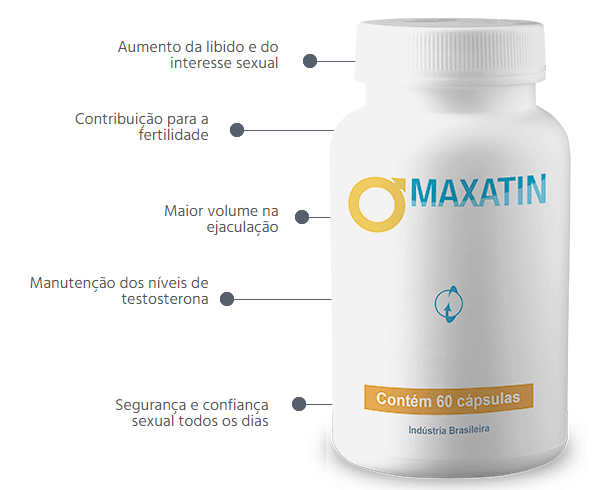 Efeitos do maxatin


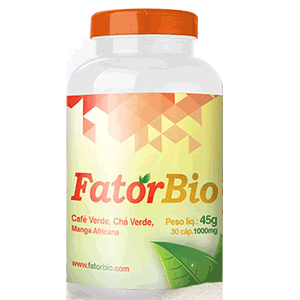 A fórmula do emagrecedor Fator Bio foi desenvolvida especificamente para a ajudar a eliminar quilos com facilidade através do controle hormonal. Essa técnica foi desenvolvida a partir de estudos profundos sobre o funcionamento do metabolismo do corpo humano. A descoberta desses estudos foi que grande parte do peso acumulado pelo corpo humano é resultado do controle hormonal. Por isso, o Fator Bio controla diretamente a produção hormonal no nosso corpo, bloqueando a produção de hormônios ligados ao acúmulo de gordura e calorias em nosso corpo.
 A fórmula do Fator Bio é baseada em 3 ingredientes principais, que vão auxiliar o seu corpo a promover uma verdadeira revolução no metabolismo, permitindo o fim do excesso de peso, sem necessidade de dietas super restritivas, ou de exercícios puxados. São eles:
 Curso Fórmula da Importação
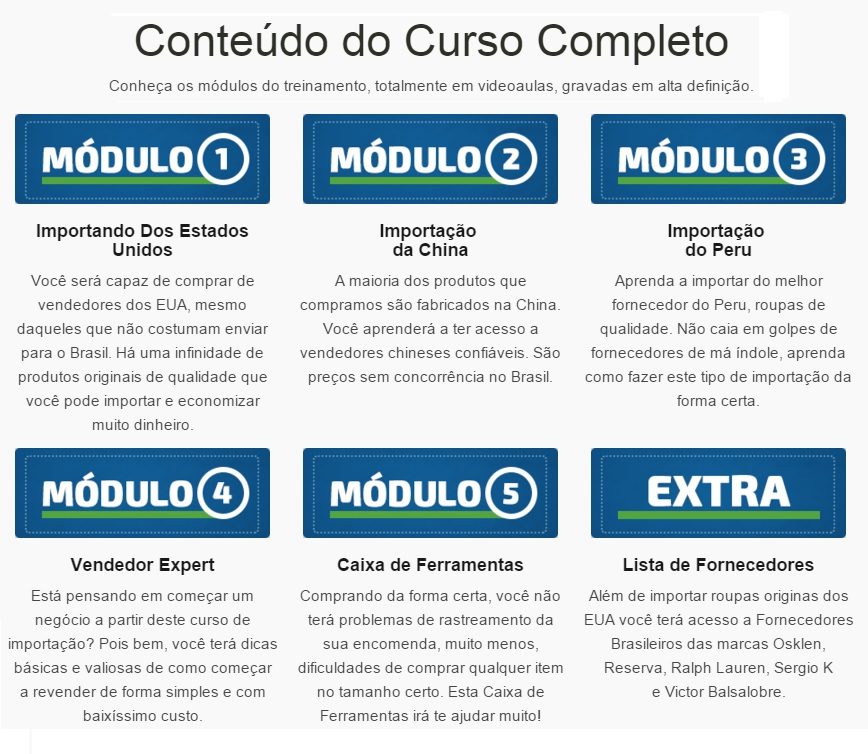 Conteúdos abordados durante o curso
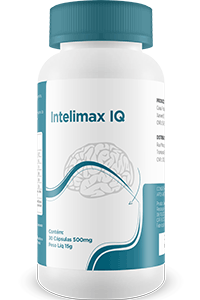 Intelimax IQ estimulante para inteligencia

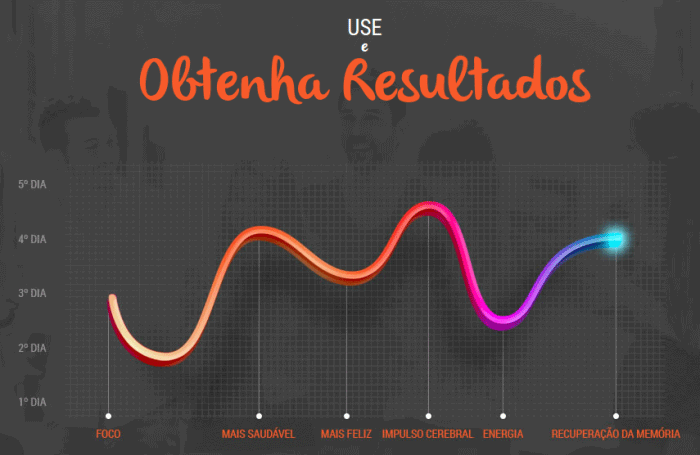 Resultados do Intelimax IQ no seu dia a dia
 Memória mais afiada para todos os tipos de situação – vai lhe ajudar em sua vida pessoal e profissional, e especialmente para quem precisa estudar para um grande evento como concurso público ou vestibular em universidade federal.
  Aumento dos níveis de energia – além de melhorar a memória, você vai ficar mais alerta e mais focado nas atividades do dia a dia e nos estudos, garantido que você não deixe mais passar nenhum detalhe.
  Motivação e Concentração mais elevados – A tendência natural de nosso cérebro é se adaptar ao mínimo esforço, por isso é tão difícil estudar para eventos extraordinários como Provas e Concursos. Intelimax reverte essa tendência e você passará com a mão nas costas.
 Rosi Feliciano
 Etapas do Ciclo Detox
 101 Receitas Detox para você


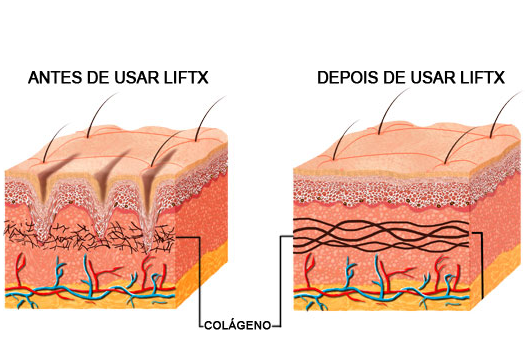 Antes e Depois


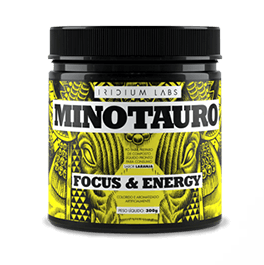 O suplemento Minotauro Pré-Treino é a novidade que veio para ajudar quem quer aumentar significativamente a massa muscular com treinamento e ainda queimar as gorduras para deixar os músculos mais definidos. Esse suplemento auxilia na produção de energia para seu treinamento, tornando qualquer seção muito mais efetiva além de queimar toda gordura que fica entre as fibras musculares e impede a definição dos seus músculos. Ficou interessado no suplemento Minotauro Pré-Treino? Confira o preço nesse link e adquira já o seu!
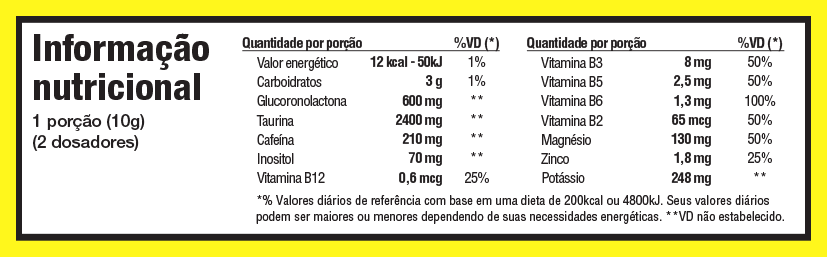 Composição Minotauro Pre-Treino
 Minotauro Pote avulso
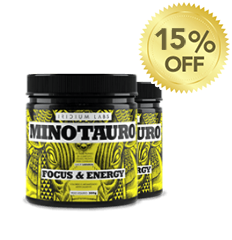 Comprar 2 Potes de Minotauro com desconto
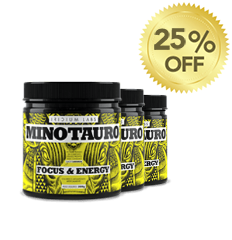 Comprar 3 Potes de Minotauro com mais desconto
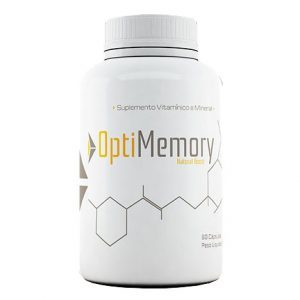 Pote do Opti Memory

 Opti Memory Comprar